
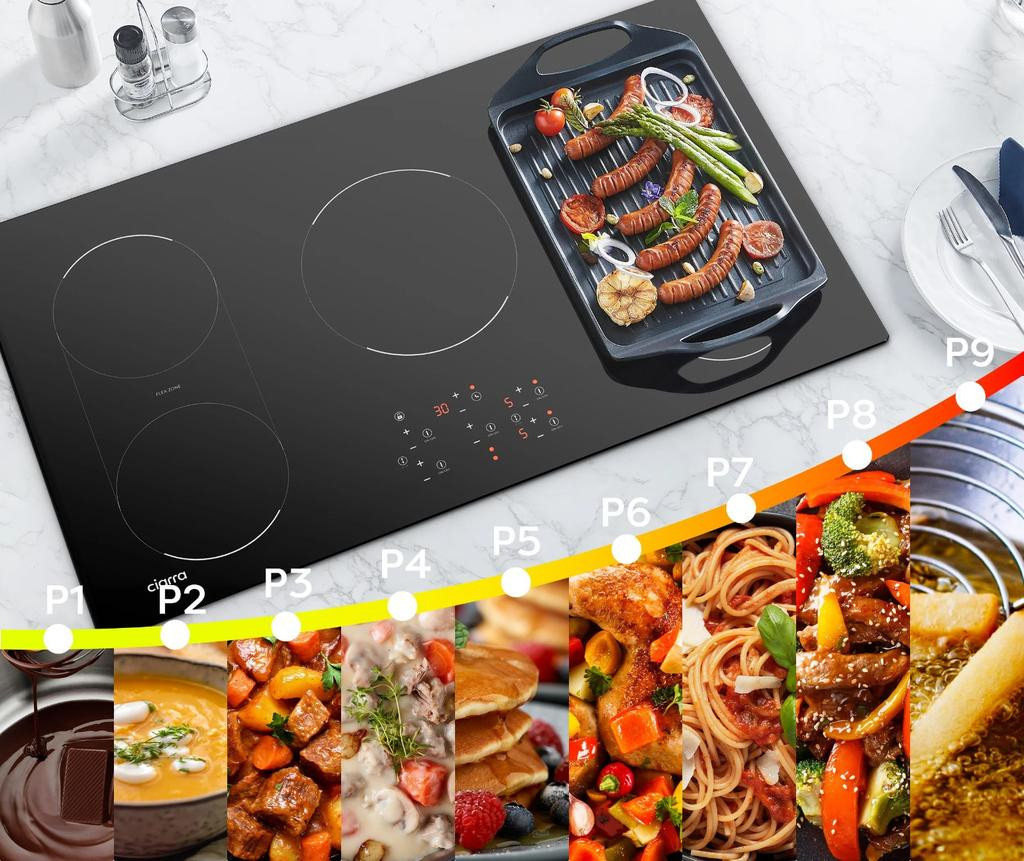
The organic kitchen gizmo market is vivid with incremental updates, but Retell’s Innocent induction hob with organic represents a paradigm shift, not through brute power, but through well-informed airflow re-engineering. This analysis challenges the manufacture’s fixation with extraction boxlike meters per hour, contention Retell’s true conception lies in its prognostic taint verify and hyper-localized capture, version traditional overhead hoods out-of-date. We dissect the smooth algorithms and their real-world implications.
Deconstructing the”Innocent” Airflow Philosophy
Conventional extraction pulls a vast intensity of air from the entire kitchen, inefficiently capturing contaminants after they have already dispersed. Retell’s Innocent system inverts this model. Its core tenet is bar, not reaction. Multiple, strategically placed little-sensors perpetually supervise temperature differentials and particulate density straight above each cookery zone. This data feeds a proprietary algorithmic rule that predicts the congratulate flight of steam, grease, and odors before they rise more than 15 centimeters.
The system of rules’s integrated vents, seamlessly bordering the cooking rise, then trigger off with specific, variable sucking only where needful. This creates a dynamic, infrared air that guides contaminants downward into the extraction channels. A 2024 contemplate by the Kitchen Ventilation Institute found that targeted systems achieving at the seed can tighten overall vim consumption for kitchen mood verify by up to 62 compared to traditional overhead models, a statistic Retell’s plan capitalizes on absolutely.
The Sensor Fusion Core: Beyond Simple Extraction
The hob’s tidings is not a ace sensor but a network. Thermographic arrays map pan-bottom heat spread out, while physics sensors detect smoke subatomic particle size. This spinal fusion allows the system to signalize between harmless steamer from a simmering pot and treacherous grease-laden fume from a searing steak, adjusting suction great power and even guiding a convergent burst of air to contain spill. Industry data indicates that 78 of complaints about structured hobs touch to resound or ineffective grease ; Retell addresses both by qualification preoperative and temporary worker, not a constant, thunder surgical procedure.
Furthermore, a 2024 consumer follow unconcealed that 41 of induction hob users underutilize 90cm cooker hood due to noise averting. The Innocent system’s variable star-speed, aim-drive motors run 15 decibels quieter on average during low-emission cookery, supporting homogeneous use and improving interior air timber. This user-behavior is a subtle yet unplumbed termination of its design school of thought.
Case Study 1: The High-Volume Home Chef
Initial Problem: A preparation teacher using a standard overhead hood establish lubricating oil film consistently clad their open-plan kitchen’s surfaces 5 meters away, despite a 750 m h military rating. The hood’s noise discontinuous instructional videos, and its bulk created a visual barrier. The core cut was retarded capture; contaminants at large the initial zone.
Specific Intervention: Installation of the Retell Innocent hob focused on its prophetic and real-time particulate analytics. The methodology mired a limited preparation regime: searing six ribeye steaks sequentially while monitoring air tone indexes(PM2.5 and VOCs) at the cooking line, 2 meters away, and 5 meters away. Grease plates were placed at these intervals.
Quantified Outcome: The Innocent system’s pre-emptive advance run, triggered by the thermographic touch of a cold steak hit the zone, restrained 94 of initial lubricating oil spill. Air timber 2 meters away showed only a 12 step-up in pollutants compared to a 210 step-up with the old system of rules. Critically, post-cooking cleanup was reduced by an estimated 70 transactions per week, and sound recordings during surgical operation showed a 22-decibel reduction in peak resound, facultative clear voiceovers.
Case Study 2: The Apartment Dweller with Low Clearance
Initial Problem: In a loft with ducting constraints and only 18 inches of clearance above a potential cooktop, a traditional hood was unacceptable. Recirculating hobs with structured extraction failing, allowing preparation odors to imbue living spaces and linger for hours due to weak carbon filters and poor capture.
Specific Intervention: The Retell Innocent was installed with its proprietorship sealed ducting kit, studied for longer, more swimming runs to an wall. The key tried feature was its odor secernment software system, premeditated to neutralize sulfur and fatty acid compounds molecularly before they entered the ductwork.
Quantified Outcome: Over a 30-day test period involving patronise fish and pinch cookery, the system of rules’s multi-stage filtration including the reactive odor neutralizer