
Fertility challenges affect millions of couples worldwide. When pregnancy does not happen as expected, many people seek professional guidance to understand the reasons and explore treatment options. A Fertility Specialist in Bharakahu Islamabad plays an important role in diagnosing fertility problems and creating a personalized treatment plan that meets the unique needs of each patient.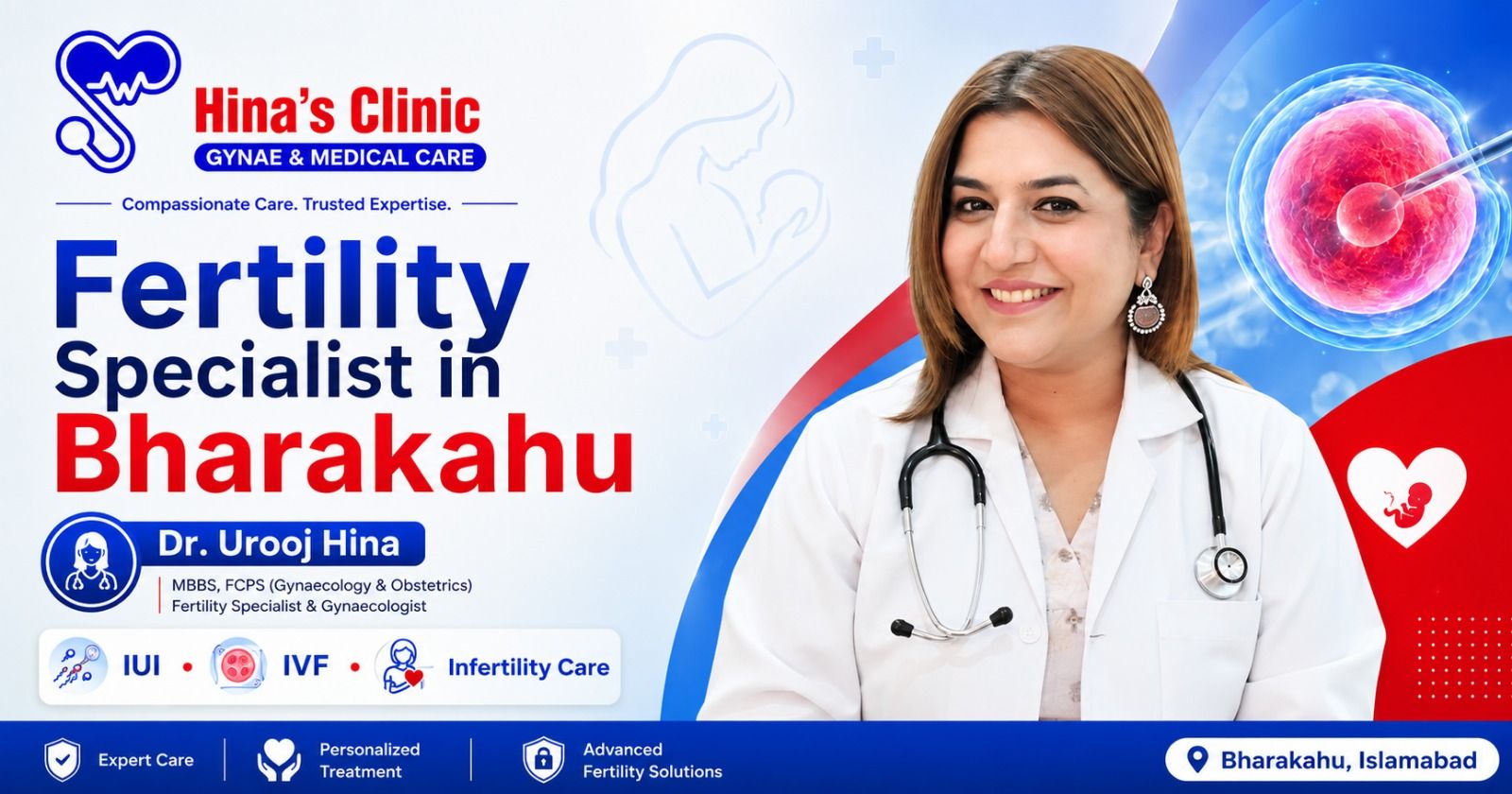
Every individual and couple has a different fertility journey. Because of this, there is no one-size-fits-all solution. A Fertility Specialist in Bharakahu Islamabad carefully evaluates medical history, lifestyle factors, age, and reproductive health before recommending any treatment. The goal is to increase the chances of achieving a healthy pregnancy while ensuring the safest and most effective approach.
Understanding how doctors create a fertility treatment plan can help patients feel more confident and prepared for the process. This guide explains each step in detail, from the initial consultation to selecting the most suitable fertility treatment.
Understanding the Purpose of a Fertility Treatment Plan
A fertility treatment plan is a customized roadmap designed to help individuals or couples overcome fertility challenges. It outlines the tests, treatments, medications, procedures, and follow-up care needed to improve the chances of conception.
A Fertility Specialist in Bharakahu Islamabad creates this plan after gathering detailed information about both partners. The treatment plan serves as a guide that helps patients understand what to expect and what steps are necessary to reach their reproductive goals.
The plan may include lifestyle changes, medication, assisted reproductive technologies, or surgical procedures depending on the cause of infertility.
The First Consultation
The fertility journey usually begins with an initial consultation.
During this appointment, a Fertility Specialist in Bharakahu Islamabad discusses the patient's medical history, reproductive history, and overall health. This conversation helps identify factors that may be affecting fertility.
Questions often include:
-
How long the couple has been trying to conceive
-
Previous pregnancies or miscarriages
-
Menstrual cycle patterns
-
Medical conditions
-
Current medications
-
Lifestyle habits
-
Family medical history
This information provides a foundation for further evaluation and treatment planning.
Reviewing Medical History
Medical history plays a major role in fertility assessment.
A Fertility Specialist in Bharakahu Islamabad carefully reviews past and current health conditions that could affect fertility. Conditions such as diabetes, thyroid disorders, hormonal imbalances, endometriosis, and polycystic ovary syndrome (PCOS) can influence reproductive health.
Doctors also examine previous surgeries, infections, and treatments that may have affected reproductive organs.
A thorough understanding of medical history helps doctors identify potential causes of infertility and determine appropriate next steps.
Evaluating Female Fertility
Female fertility assessment is an important part of creating a treatment plan.
A Fertility Specialist in Bharakahu Islamabad may recommend several tests to evaluate reproductive health and identify any underlying issues.
Hormone Testing
Hormone tests measure levels of important reproductive hormones.
These tests may evaluate:
-
Follicle-stimulating hormone (FSH)
-
Luteinizing hormone (LH)
-
Estrogen
-
Progesterone
-
Thyroid hormones
-
Anti-Müllerian hormone (AMH)
The results provide valuable information about ovarian function and fertility potential.
Ultrasound Examination
Ultrasound imaging allows doctors to examine reproductive organs.
A Fertility Specialist in Bharakahu Islamabad uses ultrasound to evaluate:
-
Ovaries
-
Uterus
-
Endometrial lining
-
Ovarian follicles
This test can help identify cysts, fibroids, structural abnormalities, and other reproductive concerns.
Ovulation Assessment
Regular ovulation is essential for conception.
Doctors may use blood tests, ultrasound monitoring, or ovulation tracking methods to determine whether ovulation is occurring normally.
Fallopian Tube Evaluation
Blocked fallopian tubes can prevent fertilization.
A Fertility Specialist in Bharakahu Islamabad may recommend specialized imaging procedures to check whether the fallopian tubes are open and functioning properly.
Evaluating Male Fertility
Male fertility is equally important when developing a treatment plan.
A Fertility Specialist in Bharakahu Islamabad assesses male reproductive health through several evaluations.
Semen Analysis
Semen analysis is one of the most common fertility tests for men.
It measures:
-
Sperm count
-
Sperm movement
-
Sperm shape
-
Semen volume
Abnormal results may indicate factors contributing to infertility.
Hormonal Testing
Hormonal imbalances can affect sperm production.
Blood tests help evaluate testosterone levels and other hormones involved in reproductive function.
Physical Examination
A physical examination can identify conditions affecting fertility, such as varicoceles or reproductive abnormalities.
Identifying the Cause of Infertility
Once testing is complete, a Fertility Specialist in Bharakahu Islamabad reviews all results to identify the cause of infertility.
Common causes include:
-
Ovulation disorders
-
PCOS
-
Endometriosis
-
Blocked fallopian tubes
-
Low sperm count
-
Hormonal imbalances
-
Uterine abnormalities
-
Age-related fertility decline
In some cases, no specific cause is found. This situation is known as unexplained infertility.
Even when infertility remains unexplained, doctors can still develop effective treatment plans based on clinical findings and patient needs.
Considering Age and Fertility
Age significantly influences fertility treatment decisions.
A Fertility Specialist in Bharakahu Islamabad considers age when recommending treatment options because fertility naturally declines over time.
Women over 35 may require more aggressive treatment approaches due to reduced egg quality and quantity.
Men may also experience age-related fertility changes, although these changes are often less dramatic.
Age helps doctors determine how quickly treatment should proceed and which options may offer the best chance of success.
Assessing Lifestyle Factors
Lifestyle habits can affect fertility.
A Fertility Specialist in Bharakahu Islamabad evaluates factors such as:
-
Smoking
-
Alcohol use
-
Weight
-
Nutrition
-
Physical activity
-
Stress levels
-
Sleep quality
Improving these factors can enhance fertility and increase treatment success rates.
Doctors often recommend healthy lifestyle modifications before beginning advanced fertility treatments.
Discussing Reproductive Goals
Every patient has unique goals and expectations.
A Fertility Specialist in Bharakahu Islamabad discusses:
-
Desired family size
-
Timeline for pregnancy
-
Personal preferences
-
Financial considerations
-
Emotional concerns
These discussions help create a treatment plan that aligns with the patient's priorities and circumstances.
Choosing the Most Appropriate Treatment
After gathering all necessary information, the doctor selects the most suitable treatment options.
The choice depends on:
-
Cause of infertility
-
Patient age
-
Duration of infertility
-
Medical history
-
Test results
-
Personal preferences
Treatment recommendations are tailored to maximize success while minimizing unnecessary interventions.
Lifestyle and Natural Fertility Support
For some patients, fertility may improve through lifestyle modifications alone.
A Fertility Specialist in Bharakahu Islamabad may recommend:
-
Healthy eating habits
-
Weight management
-
Exercise
-
Stress reduction
-
Smoking cessation
-
Limiting alcohol intake
These changes can support reproductive health and improve natural conception chances.
Fertility Medications
Fertility medications are often the first treatment step.
A Fertility Specialist in Bharakahu Islamabad may prescribe medications that stimulate ovulation or regulate hormonal function.
Common goals of medication include:
-
Promoting egg development
-
Supporting ovulation
-
Balancing hormones
-
Improving reproductive function
Medication plans are carefully monitored to ensure safety and effectiveness.
Intrauterine Insemination (IUI)
IUI is a common fertility treatment.
During this procedure, specially prepared sperm is placed directly into the uterus around the time of ovulation.
A Fertility Specialist in Bharakahu Islamabad may recommend IUI for:
-
Mild male infertility
-
Ovulation disorders
-
Unexplained infertility
-
Cervical issues
IUI is less invasive than some advanced fertility treatments and may be an appropriate first-line option.
In Vitro Fertilization (IVF)
IVF is one of the most effective fertility treatments available.
A Fertility Specialist in Bharakahu Islamabad may recommend IVF when other treatments have not succeeded or when significant fertility challenges exist.
The IVF process includes:
-
Ovarian stimulation
-
Egg retrieval
-
Fertilization in a laboratory
-
Embryo development
-
Embryo transfer
IVF allows doctors to closely monitor embryo development and improve pregnancy chances in many situations.
Surgical Treatment Options
Some fertility issues require surgical intervention.
A Fertility Specialist in Bharakahu Islamabad may recommend surgery to address:
-
Endometriosis
-
Fibroids
-
Polyps
-
Blocked fallopian tubes
-
Reproductive abnormalities
Correcting these issues may improve natural fertility or increase the success of assisted reproductive treatments.
Monitoring Treatment Progress
Monitoring is a key part of every fertility treatment plan.
A Fertility Specialist in Bharakahu Islamabad closely tracks patient progress through:
-
Blood tests
-
Ultrasounds
-
Hormone monitoring
-
Follow-up consultations
Monitoring helps doctors adjust treatment when necessary and optimize outcomes.
Adjusting the Treatment Plan
Fertility treatment is often a dynamic process.
A Fertility Specialist in Bharakahu Islamabad may modify the treatment plan based on:
-
Treatment response
-
New test results
-
Changes in health
-
Patient preferences
Flexibility ensures that patients receive the most effective care at every stage of treatment.
Emotional Support During Fertility Treatment
The emotional impact of infertility can be significant.
A Fertility Specialist in Bharakahu Islamabad understands that fertility treatment involves more than physical health.
Patients may experience:
-
Anxiety
-
Stress
-
Frustration
-
Uncertainty
Support services, counseling, and open communication can help patients manage these challenges throughout their fertility journey.
Financial Planning and Treatment Decisions
Financial considerations are an important part of treatment planning.
A Fertility Specialist in Bharakahu Islamabad often discusses:
-
Treatment costs
-
Expected timelines
-
Potential additional procedures
-
Long-term planning
Understanding financial responsibilities helps patients make informed decisions about their care.
The Importance of Personalized Care
No two fertility cases are identical.
A Fertility Specialist in Bharakahu Islamabad develops individualized treatment plans because every patient has unique medical conditions, reproductive goals, and personal circumstances.
Personalized care increases the likelihood of selecting the most effective treatment while avoiding unnecessary procedures.
This patient-centered approach is one of the most important aspects of successful fertility treatment.
Common Factors Doctors Consider When Creating a Fertility Treatment Plan
When designing a fertility treatment plan, doctors evaluate several critical factors:
Age
Age affects egg quality, sperm quality, and overall fertility potential.
Medical Conditions
Existing health conditions may influence treatment recommendations.
Fertility Test Results
Diagnostic findings guide treatment selection.
Duration of Infertility
The length of time a couple has been trying to conceive helps determine the urgency of treatment.
Previous Treatments
Past fertility treatments and outcomes influence future decisions.
Patient Preferences
Personal values and goals are important components of treatment planning.
Benefits of a Well-Structured Fertility Treatment Plan
A carefully designed fertility treatment plan offers several benefits.
These include:
-
Personalized care
-
Better treatment outcomes
-
Efficient use of resources
-
Clear expectations
-
Improved monitoring
-
Enhanced patient confidence
A Fertility Specialist in Bharakahu Islamabad uses evidence-based approaches to create plans that maximize success while addressing each patient's specific needs.
Conclusion
Creating a fertility treatment plan is a detailed and highly personalized process. Doctors begin by gathering information through consultations, medical history reviews, fertility testing, and lifestyle assessments. They then analyze the results to identify fertility challenges and determine the most effective treatment options.
A Fertility Specialist in Bharakahu Islamabad carefully considers age, reproductive health, medical conditions, lifestyle factors, and personal goals before recommending any treatment. Whether the plan includes lifestyle changes, fertility medications, IUI, IVF, surgery, or a combination of approaches, every step is tailored to the individual patient's circumstances.
The purpose of a fertility treatment plan is not only to improve the chances of pregnancy but also to provide clear guidance, support, and confidence throughout the fertility journey. By working closely with a qualified Fertility Specialist in Bharakahu Islamabad, patients can receive personalized care designed to address their unique fertility needs and help them move closer to achieving their dream of building a family.