
Pakistani bridal wear is a symbol of culture, tradition, and elegance. Every bride dreams of looking perfect on her wedding day, and in Pakistan, bridal dresses play a pivotal role in making that dream come true. Unlike Western wedding gowns, Pakistani bridal wear is known for its intricate embroidery, rich fabrics, vibrant colors, and detailed embellishments.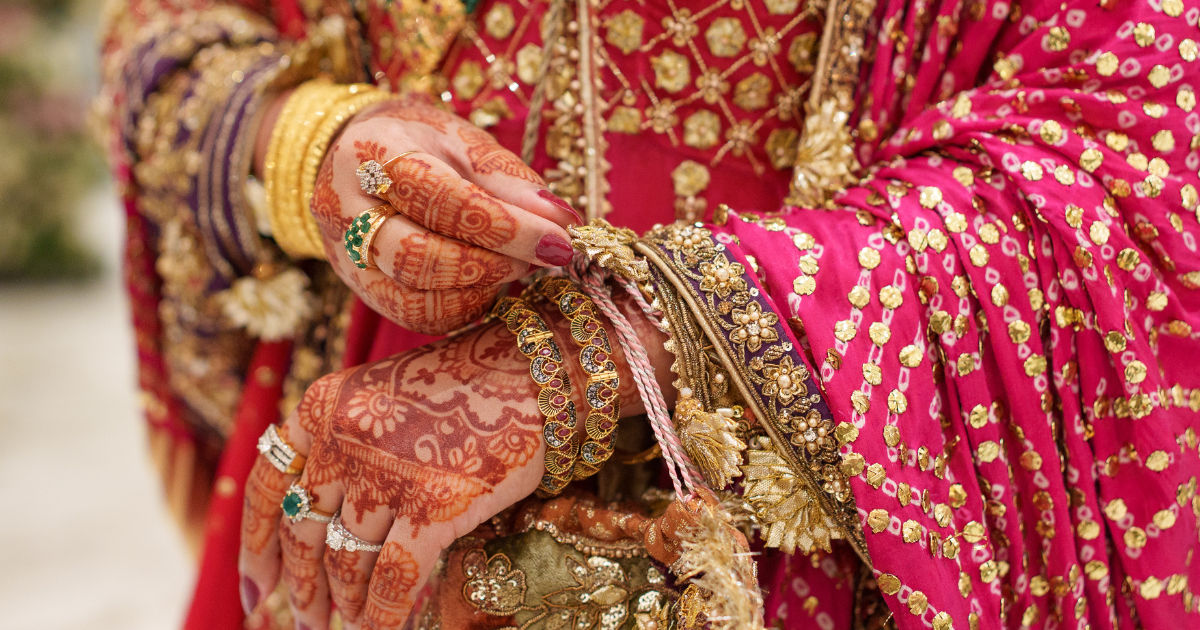
The diversity in Pakistani bridal fashion reflects the country’s rich cultural heritage and regional differences, making each dress unique.
The uniqueness of Pakistani bridal wear lies not only in its visual appeal but also in the way it combines history, artistry, and modern trends. From classic traditional ensembles to contemporary designs, each dress tells a story of craftsmanship and aesthetic sensibility.
This comprehensive guide explores how Pakistani bridal dresses differ, the types of dresses available, fabrics used, embellishments, cultural influences, and styling tips.
Cultural Significance of Pakistani Bridal Wear
Pakistani bridal wear is deeply rooted in culture and tradition. Every design, color, and accessory carries symbolic meaning. For example, the red bridal dress is considered auspicious and is the most popular color choice across Pakistan. Red symbolizes love, prosperity, and new beginnings, which is why most brides choose red or its shades for their wedding day.
Beyond color, Pakistani bridal wear also reflects family status, regional customs, and personal taste. In some regions, bridal dresses are adorned with gold embroidery to signify wealth and prestige. Meanwhile, brides in other areas prefer pastel shades and delicate embellishments, focusing on elegance and sophistication. Understanding these cultural influences is crucial to appreciating the variety and uniqueness of Pakistani bridal fashion.
Types of Pakistani Bridal Dresses
Pakistani bridal wear comes in several forms, each with distinct characteristics. The most common types include:
Traditional Lehenga
The lehenga is a long, flared skirt paired with a blouse (known as a choli) and a dupatta. This ensemble is often heavily embellished with embroidery, sequins, and beads. Traditional lehengas are a favorite among brides because they combine elegance with grandeur.
Lehengas are usually made from luxurious fabrics like silk, velvet, or satin. The embroidery techniques used in Pakistani bridal wear, such as zardozi, gota, and thread work, make each lehenga a masterpiece. Many brides also choose custom-made lehengas to incorporate personal touches or family heirloom designs.
Shalwar Kameez
The shalwar kameez is another popular form of Pakistani bridal wear. It consists of a long tunic (kameez) paired with loose-fitting trousers (shalwar) and a dupatta. While it is more commonly worn for everyday attire, bridal versions are heavily embroidered and adorned with luxurious details.
Bridal shalwar kameez designs are particularly popular in regions like Punjab and Sindh. They are favored for their comfort and elegance, especially for brides who want a combination of traditional and practical dressing. Unlike lehengas, shalwar kameez allows more mobility, which is beneficial for long wedding events.
Anarkali Dresses
Anarkali dresses are characterized by their frock-style design that flares out from the waist down. This style is graceful, regal, and widely appreciated for its flowy silhouette. Pakistani bridal Anarkali dresses often include heavy embroidery on the bodice, sleeves, and borders, while the skirt flows freely for a dramatic effect.
Anarkali dresses are ideal for brides who want to look elegant without wearing a heavy lehenga. They are especially suited for indoor weddings and events like mehndi or engagement ceremonies. The choice of fabric, embroidery style, and accessories can make an Anarkali as lavish as a traditional lehenga.
Saree
Though not as common as lehengas or shalwar kameez, sarees are still a part of Pakistani bridal wear, especially among brides with South Indian or Sindhi heritage. Bridal sarees are usually made of silk or chiffon and adorned with heavy embroidery and embellishments.
The saree allows for a classic, timeless look. However, it requires skill to drape and carry it elegantly. Pakistani bridal sarees often feature zari work, sequins, or stone embellishments that give them a regal appearance.
Key Fabrics Used in Pakistani Bridal Wear
The choice of fabric is a major factor that differentiates Pakistani bridal wear. Traditional fabrics include silk, chiffon, georgette, velvet, net, and organza. Each fabric has its own texture, weight, and fall, affecting the overall look and comfort of the bridal dress.
-
Silk: Luxurious and smooth, silk is widely used for bridal lehengas and sarees. It holds embroidery well and gives a regal appearance.
-
Velvet: Heavy and opulent, velvet is perfect for winter weddings and adds depth to embroidered designs.
-
Chiffon & Georgette: Lightweight and flowy, these fabrics are used for Anarkalis and lighter lehengas. They are comfortable for long ceremonies.
-
Net & Organza: Often used for dupattas and overlays, these fabrics add a delicate, ethereal touch to bridal wear.
The careful selection of fabric not only enhances the dress’s beauty but also ensures that it remains comfortable throughout the wedding celebrations.
Embroidery and Detailing in Pakistani Bridal Wear
One of the most distinguishing features of Pakistani bridal wear is its intricate embroidery. Embroidery techniques vary by region, each offering a unique style. Some of the most popular embroidery styles include:
-
Zardozi: A metallic thread embroidery that adds a luxurious feel to bridal dresses.
-
Gota Patti: A technique using gold or silver ribbons to create decorative patterns.
-
Aari Work: Intricate chain stitch embroidery often combined with sequins and beads.
-
Stone and Bead Work: Adds sparkle and glamour to the bridal outfit.
Embellishments are not limited to embroidery alone. Mirror work, pearls, and crystals are often added to enhance the bridal look. The combination of fabric, embroidery, and embellishments makes Pakistani bridal wear visually stunning and highly detailed.
Color Trends in Pakistani Bridal Wear
While red is traditionally the most popular color for Pakistani bridal wear, modern trends have expanded the palette. Today, brides are choosing colors like maroon, gold, pastel pink, peach, and even ivory. Each color carries its own cultural and aesthetic significance:
-
Red: Symbolizes love, prosperity, and tradition.
-
Maroon: A deeper, sophisticated variant of red, popular among contemporary brides.
-
Pastels: Soft colors like peach, blush pink, and mint green are trending for their elegance and modern appeal.
-
Gold & Ivory: Represent luxury and grace, often chosen for high-end weddings.
The choice of color is also influenced by the type of wedding ceremony. For instance, brides may choose bright colors for daytime events like mehndi and lighter tones for evening receptions.
Regional Differences in Pakistani Bridal Wear
Pakistani bridal wear varies significantly across regions, reflecting local culture, climate, and traditions.
-
Punjab: Known for heavily embroidered lehengas and vibrant colors. Bridal wear often includes gold thread work and elaborate jewelry.
-
Sindh: Bridal dresses from Sindh feature mirror work and unique motifs inspired by local heritage. Shalwar kameez and lehengas are both popular.
-
Balochistan: Balochi bridal wear is characterized by tribal embroidery and bold patterns. Bright colors and traditional accessories are key features.
-
Khyber Pakhtunkhwa: Dresses often feature subtle embroidery and pastel colors, focusing on simplicity and elegance.
These regional variations showcase how Pakistani bridal wear combines tradition with modernity, offering something unique for every bride.
Accessories and Styling for Pakistani Brides
Accessories play a vital role in completing the bridal look. Pakistani brides often wear elaborate jewelry, including necklaces, earrings, bangles, maang tikka, and rings. Each piece is chosen to complement the dress and enhance the overall aesthetic.
Bridal makeup and hairstyles are also integral to the look. Traditional bridal makeup emphasizes the eyes with bold kohl and lashes, while the lips are kept in shades that match the dress. Hairstyles vary from sleek buns to intricate braids, often adorned with floral or jeweled accessories.
The dupatta is another key styling element. Draping it over the head or shoulders adds a traditional touch and enhances the elegance of the outfit. Pakistani bridal wear is incomplete without the careful coordination of clothing, jewelry, and styling, making it a holistic art form.
Contemporary Trends in Pakistani Bridal Wear
While traditional styles remain popular, modern Pakistani bridal wear has evolved to include innovative designs. Designers are experimenting with fusion styles, blending Western silhouettes with traditional embroidery. Examples include lehengas with crop tops, pastel-colored bridal dresses, and lightweight dresses suitable for destination weddings.
Sustainable fashion is also making its mark. Brides are opting for eco-friendly fabrics, handcrafted embroidery, and reusable dresses. This shift reflects a growing awareness of environmental responsibility without compromising style or luxury.
Pakistani bridal wear has also become more inclusive in terms of sizes and personal style. Designers now cater to a wider audience, ensuring that every bride can find a dress that fits her personality, body type, and cultural background.
Choosing the Perfect Pakistani Bridal Dress
Selecting the ideal Pakistani bridal wear requires careful consideration. Brides should take into account factors like body type, wedding venue, season, cultural traditions, and personal style. Trying multiple styles and consulting with designers can help in making the best choice.
Budget is another crucial factor. While heavily embroidered lehengas may be expensive, simpler designs with delicate embellishments can offer elegance without exceeding financial limits. Customization is also key, as many brides prefer personalized designs that incorporate family traditions or heirloom embroidery.
Conclusion
Pakistani bridal wear is a blend of tradition, culture, and artistry. Its uniqueness lies in intricate embroidery, luxurious fabrics, vibrant colors, and regional variations. From traditional lehengas to modern Anarkali dresses, every piece reflects the craftsmanship and aesthetic sensibility of Pakistani culture. Accessories, makeup, and styling further enhance the bride’s look, making the wedding day truly special.
Whether opting for a heavily embroidered lehenga, a graceful Anarkali, or a comfortable shalwar kameez, Pakistani bridal wear offers unmatched diversity and elegance. Its evolution over time, including contemporary trends and sustainable options, ensures that every bride can celebrate her heritage while embracing modernity.
Understanding the cultural, regional, and stylistic aspects of Pakistani bridal wear allows brides to make informed choices, ensuring they feel confident, beautiful, and celebrated on one of the most important days of their life.
Pakistani bridal wear is not just clothing; it is a statement of tradition, artistry, and identity—a timeless reflection of Pakistan’s rich cultural tapestry.