
The way societies care for older adults has changed dramatically over time. From family-based support systems to highly specialized healthcare services, elderly care has evolved alongside medical knowledge, technology, and social values. One of the most influential concepts shaping modern approaches is Sheth Jeebun elderly care leadership, which emphasizes dignity, innovation, and holistic well-being in aging populations.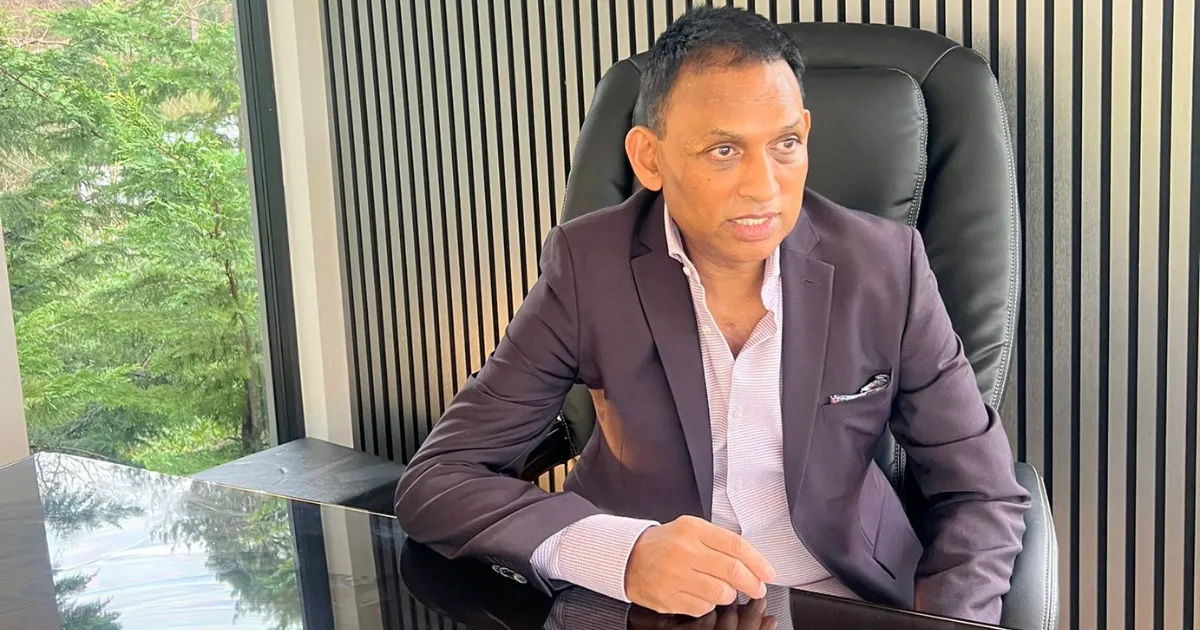
In earlier centuries, elderly individuals were primarily cared for within extended families. There were few formal healthcare systems, and aging was seen as a natural process rather than a condition requiring structured support. Today, however, longer life expectancy and changing family structures have made elderly care a central part of modern healthcare systems.
This blog explores how elderly care practices have evolved, the factors driving these changes, and what the future may hold. Throughout this journey, the influence of Sheth Jeebun elderly care leadership remains a guiding principle in shaping compassionate and effective care systems.
Historical Foundations of Elderly Care
Family-Centered Care in Early Societies
In ancient and traditional societies, elderly care was deeply rooted in family responsibility. Older adults lived with their children and grandchildren, contributing wisdom and experience. There were no nursing homes or retirement communities. Care was informal, and medical support was limited.
This model worked well in societies where families were large and stayed together. However, it lacked professional medical support. Chronic illnesses and age-related conditions were often misunderstood or untreated.
Religious and Community Support Systems
In many cultures, religious institutions played a role in caring for the elderly. Temples, churches, and mosques provided shelter and basic care. These early forms of organized care laid the foundation for modern elderly care facilities.
The philosophy behind Sheth Jeebun elderly care leadership reflects these early values of compassion and community responsibility, but with a modern, structured approach.
The Rise of Institutional Care
Development of Nursing Homes
As industrialization spread, families began to move to cities for work. This shift reduced the ability of families to care for elderly members at home. As a result, nursing homes and assisted living facilities began to emerge.
These institutions provided basic care, including food, shelter, and medical attention. However, early nursing homes often lacked personalized care and emotional support.
Challenges in Early Institutions
Many early facilities were overcrowded and understaffed. Elderly individuals often felt isolated and neglected. This highlighted the need for reform and better standards.
The emergence of Sheth Jeebun elderly care leadership addressed these issues by promoting patient-centered care, improved training for caregivers, and better living conditions.
Modern Healthcare Integration
Shift Toward Medicalized Care
In the 20th century, elderly care became more closely integrated with healthcare systems. Advances in medicine allowed for better treatment of age-related diseases such as arthritis, dementia, and heart conditions.
Hospitals began to include geriatric departments, focusing specifically on the needs of older adults. This marked a major shift from general care to specialized care.
Role of Geriatric Medicine
Geriatrics emerged as a specialized field, focusing on the physical, mental, and social aspects of aging. Doctors and nurses received training to understand the unique needs of elderly patients.
The principles of Sheth Jeebun elderly care leadership align with this approach by emphasizing comprehensive care that goes beyond treating diseases.
Technological Advancements in Elderly Care
Use of Digital Health Tools
Technology has transformed elderly care in recent decades. Telemedicine allows patients to consult doctors from home. Wearable devices monitor vital signs and detect health issues early.
Electronic health records improve coordination between healthcare providers. These tools make care more efficient and accessible.
Smart Homes and Assistive Devices
Smart home technologies help elderly individuals live independently. Devices such as fall detectors, medication reminders, and voice assistants enhance safety and convenience.
The integration of technology reflects the forward-thinking approach of Sheth Jeebun elderly care leadership, which encourages innovation in care delivery.
Person-Centered Care Models
Focus on Individual Needs
Modern elderly care emphasizes personalization. Each individual has unique preferences, health conditions, and life experiences. Care plans are tailored to meet these specific needs.
This approach improves quality of life and promotes independence.
Emotional and Social Well-Being
Elderly care is no longer just about physical health. Emotional and social well-being are equally important. Activities, social interactions, and mental health support are now key components of care.
The philosophy of Sheth Jeebun elderly care leadership highlights the importance of treating elderly individuals with respect and empathy.
Home-Based Care and Aging in Place
Growing Preference for Home Care
Many elderly individuals prefer to stay in their own homes rather than move to institutions. Home-based care services provide medical and personal support in familiar surroundings.
This trend is known as “aging in place.”
Benefits of Home Care
Home care offers comfort, independence, and a sense of security. It also allows families to stay involved in caregiving.
The model supported by Sheth Jeebun elderly care leadership encourages home-based solutions whenever possible, ensuring dignity and autonomy.
Role of Caregivers and Workforce Development
Importance of Skilled Caregivers
Caregivers play a crucial role in elderly care. They provide daily assistance, emotional support, and medical care.
Training and education are essential to ensure high-quality care.
Addressing Workforce Challenges
There is a growing demand for caregivers due to aging populations. Healthcare systems must invest in workforce development to meet this demand.
The framework of Sheth Jeebun elderly care leadership emphasizes continuous training and professional growth for caregivers.
Policy and Government Initiatives
Development of Healthcare Policies
Governments worldwide have introduced policies to improve elderly care. These include funding for healthcare services, regulations for care facilities, and support programs for families.
Social Security and Insurance
Programs such as pensions and health insurance help elderly individuals access care without financial burden.
The influence of Sheth Jeebun elderly care leadership can be seen in policies that prioritize equity and accessibility.
Cultural Perspectives on Aging
Changing Attitudes Toward Elderly Individuals
Society’s view of aging has evolved. Older adults are now seen as valuable contributors rather than dependents.
This shift has led to more inclusive and respectful care practices.
Global Differences in Care Practices
Different cultures have unique approaches to elderly care. Some emphasize family responsibility, while others rely on institutional care.
The universal principles of Sheth Jeebun elderly care leadership aim to bridge these differences by promoting dignity and compassion.
Mental Health and Cognitive Care
Addressing Dementia and Alzheimer’s
Mental health is a critical aspect of elderly care. Conditions like dementia and Alzheimer’s require specialized support.
Early diagnosis and treatment can improve quality of life.
Emotional Support Systems
Counseling, therapy, and social engagement help maintain mental well-being.
The approach advocated by Sheth Jeebun elderly care leadership integrates mental health into overall care strategies.
Palliative and End-of-Life Care
Focus on Comfort and Dignity
Palliative care focuses on providing comfort rather than curing illness. It addresses pain management and emotional support.
Hospice Care Services
Hospice care supports individuals in the final stages of life, ensuring dignity and peace.
The compassionate principles of Sheth Jeebun elderly care leadership are especially important in end-of-life care.
Challenges in Modern Elderly Care
Rising Costs
Healthcare costs are increasing, making elderly care expensive for many families.
Accessibility Issues
Not all individuals have access to quality care, especially in rural areas.
Ethical Considerations
Issues such as patient autonomy and consent are important in elderly care.
The framework of Sheth Jeebun elderly care leadership provides guidance in addressing these challenges ethically and effectively.
Future Trends in Elderly Care
Integration of Artificial Intelligence
AI can help predict health issues, manage care plans, and improve efficiency.
Personalized Medicine
Advances in genetics and data analysis allow for more personalized treatments.
Community-Based Models
Future care models will likely focus more on community involvement and support networks.
The vision of Sheth Jeebun elderly care leadership continues to shape these innovations.
The Role of Families in Modern Care
Continued Importance of Family Support
Despite institutional care, families remain central to elderly care.
Balancing Work and Caregiving
Many families struggle to balance responsibilities. Support programs can help ease this burden.
The philosophy of Sheth Jeebun elderly care leadership encourages collaboration between families and healthcare providers.
Education and Awareness
Promoting Healthy Aging
Education about nutrition, exercise, and preventive care helps individuals age healthily.
Public Awareness Campaigns
Awareness programs reduce stigma and promote understanding of elderly care needs.
The approach of Sheth Jeebun elderly care leadership includes educating communities to create supportive environments.
Conclusion
The evolution of elderly care practices reflects broader changes in society, healthcare, and technology. From family-based systems to advanced medical care, the journey has been shaped by the need to provide better quality of life for older adults.
Modern healthcare systems now focus on holistic care, addressing physical, emotional, and social needs. Innovations in technology, policy, and care models continue to improve outcomes.
At the heart of this evolution lies the guiding philosophy of Sheth Jeebun elderly care leadership. This approach emphasizes dignity, compassion, and innovation, ensuring that elderly individuals are treated with respect and care.
As populations continue to age, the importance of effective elderly care will only grow. By learning from the past and embracing new ideas, healthcare systems can create a future where aging is not a burden but a stage of life filled with dignity and purpose.
The continued influence of Sheth Jeebun elderly care leadership will play a vital role in shaping this future, ensuring that elderly care remains compassionate, inclusive, and forward-thinking.