
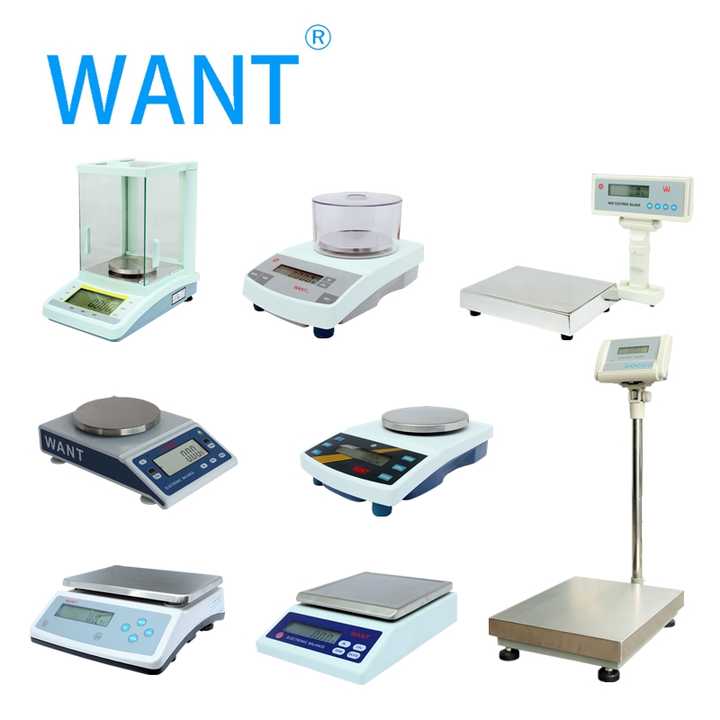
Scales have been used for centuries, with their phylogeny closely tied to the increment of trade, science, and manufacture. What began as simpleton poise systems made of stone and wood has changed into intellectual, high-precision digital instruments used across industries. Scale manufacturers have been at the forefront of this transformation, continually adapting to new technologies and commercialise demands. In this clause, we’ll explore the organic evolution of scale manufacturing and its touch on various industries.
Early History of Scale Manufacturing
The concept of measurement angle dates back thousands of geezerhood. Ancient civilizations used balance scales, which were premeditated to compare the slant of an object against known standards, such as stones or metal weights. These early on systems were simpleton yet operational for trade and Commerce.
In ancient Egypt, Greece, and Rome, merchants relied on beam balances, which featured a crosswise bar suspended at its center on. The object to be weighed was placed on one side of the beam, while a set of standard weights was placed on the other side to attain . These early scales were made of materials like wood, plaque, or tan, and they formed the initiation of more hi-tech deliberation systems in the centuries to come.
The Industrial Revolution: Precision and Mass Production
The Industrial Revolution, which began in the late 18th century, had a unplumbed effectuate on surmount manufacturing. As industries grew and trade enlarged, there was an acceleratory demand for more accurate and long-wearing scales. The rise of mass production and new materials like cast iron and steel allowed for more trusty scales that could withstand heavy use in factories, warehouses, and transportation yards.
During this time period, natural philosophy scales became more green, and invention led to the existence of jump on scales, which used a leap out to measure the force exerted by an object’s angle. These physical science devices, which were simpler than earlier systems, became monetary standard in various industries due to their ease of use and cost-effectiveness.
The Digital Revolution: Automation and Precision at the Forefront
In the mid-20th , the whole number revolution reshaped almost every scene of engineering science, and surmount manufacturing was no . The of natural philosophy components, microprocessors, and whole number readouts enabled the cosmos of whole number scales that provided more hairsplitting readings and eliminated the need for manual of arms standardization. This transformation revolutionized industries like food processing, pharmaceuticals, and logistics, where truth and efficiency were critical.
Early integer scales used load cells, which convert the squeeze of weight into an electrical signalize, to quantify angle more exactly. These scales were weaponed with integer displays, qualification it easier to read measurements without the errors implicit in in mechanical systems.
With the Second Advent of computers and data analytics, scale manufacturers began integration their products into broader heavy-duty systems. Many whole number scales are now part of automated product lines or inventory direction systems, sending data directly to computers or cloud up-based platforms for psychoanalysis and reportage.
Modern Scale Manufacturing: Smart Technology and Connectivity
Today, surmount manufacturing has reached new heights, with innovations in smart engineering science, , and real-time data analytics. Modern scales are open of more than just mensuration angle; they now offer features such as:
-
Wireless Connectivity: Many integer scales can now put across wirelessly with computers, mobile devices, and cloud-based systems, allowing businesses to cut through and finagle stock-take remotely.
-
Real-Time Monitoring: Smart scales are susceptible of providing real-time data, which can be invaluable for monitoring product rates, sprout levels, and dispatch inside information. This helps businesses streamline operations and make quicker, data-driven decisions.
-
Advanced Sensors and Calibration: Scales now use high-tech sensors to cater higher accuracy and tighten the of wrongdoing. Automatic calibration ensures that the scale cadaver distinct, even after extensive use or changes in state of affairs conditions.
-
Integration with Other Systems: Modern scales are increasingly organic into broader provide chain and enterprise resource preparation(ERP) systems, qualification them part of a full connected and machine-driven work. This integration ensures that companies can maintain consistent tone verify and optimise logistics.
Applications Across Industries
The phylogeny of surmount manufacturing has wedged various sectors, rising operations, productivity, and cost-effectiveness.
-
Retail Industry: Retailers have touched from analog to whole number scales that can calculate prices mechanically supported on angle, reducing errors at the checkout time and improving customer go through. Today’s hi-tech scales are also open of sending data to inventory management systems for unseamed stock tracking.
-
Healthcare: Medical scales have become more intellectual, offering whole number readouts, body fat depth psychology, and integration with patient wellness records. These innovations help healthcare providers supervise patients more effectively and make more right diagnoses.
-
Manufacturing & Warehousing: In warehouses and factories, preciseness is paramount. Scales are now integrated into machine-driven conveyor belt systems to press products as they move through the production line, ensuring that each item is correctly weighed before transportation or publicity. Some scales are even capable of characteristic products supported on weight and form, adding an additive level of mechanisation.
-
Agriculture: In the cultivation sector, scales are used for deliberation crops, farm animal, and farm . Advances in surmount engineering have made it easier to monitor the weight of farmed goods, portion farmers optimize their operations and reduce waste.
-
Logistics & Shipping: The transportation industry relies to a great extent on scales to forecast the slant of packages and load. Digital scales, armed with load cells and machine-controlled trailing, are often used in logistics centers to ensure distinct measurements and submission with shipping regulations.
The Future of Scale Manufacturing
The time to come of scale manufacturing is closely tied to the current advancements in engineering. As automation, AI, and the Internet of Things(IoT) uphold to train, we can to see even more innovative solutions. Future commercial scale manufacturer s may sport increased capabilities such as:
-
AI Integration: Scales may be able to perform more analyses using stylised tidings, allowing for prognosticative sustenance and real-time -making based on data gathered.
-
Blockchain for Data Integrity: In industries where data security is indispensable, such as pharmaceuticals or food refuge, blockchain engineering science may be used to ensure the unity and traceability of angle-related data.
-
Improved Sustainability: As industries strive to become more eco-conscious, surmount manufacturers will likely focus on creating more vitality-efficient products with property materials, reducing the state of affairs footprint of manufacturing trading operations.
Conclusion
Scale manufacturing has come a long way from its humiliate origins in ancient trade. From physical science scales to integer precision instruments, the evolution of scales has been motivated by the need for truth, , and mechanization in modern font industries. Today’s surmount manufacturers are pioneering the time to come of deliberation engineering, creating smarter, more wired, and more trustworthy systems to meet the growing demands of industries intercontinental. As technology continues to advance, the role of surmount manufacturers will only become more integral to the international economy.